
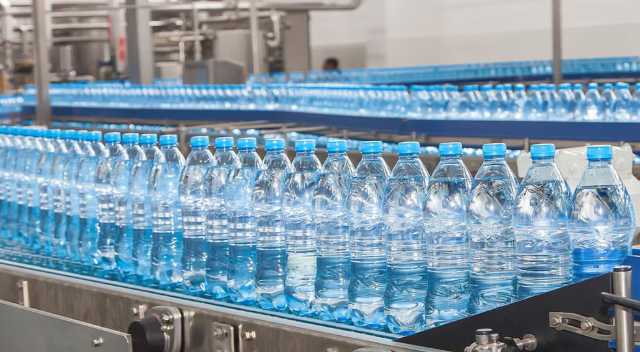
Limits have been placed on the packs of bottled water available to citizens.
The Didban-e Iran news site reported on Saturday, November 15, that in addition to sales restrictions, the price of a pack of bottled water has reached 95,000 tomans, up from around 50,000 to 60,000 tomans just a few months ago, citing what it called a "rationing" of mineral water.
According to the report, declining tap-water quality, rising salinity, and unpleasant taste and odor in piped water have forced many citizens to turn to bottled water for their drinking-water needs.
Didban-e Iran added that the surge in demand has left the packaged-water market facing a severe shortage, prompting stores to put "rationing" into practice.
In recent days new dimensions of Iran's water-scarcity crisis have come to light, sounding a serious alarm for the daily life of the population and the continued operation of many industries.
The report went on to note that, alongside rising demand, factors such as a shortage of water resources, declining spring flow, falling groundwater levels, and rising energy costs tied to extraction and packaging have driven up prices for bottled-water producers.
The rationing policy is being imposed on citizens even as, in recent years, the Islamic Republic — despite a severe water-scarcity crisis — has stockpiled significant volumes of bottled water for state ceremonies.
In August 2024, Parviz Fattah, head of the Headquarters for Executing the Order of the Imam, said the organization had stockpiled 16 million bottles of mineral water and two million ready meals for the Arbaeen march.
In 2022, Hassan Palarak, then an advisor to the Central Arbaeen Headquarters, reported a stockpile of more than 150 million bottles of mineral water for the Arbaeen period, adding that if there were five million pilgrims, "each pilgrim would receive 30 bottles of water."
In recent months, reports have also emerged about the poor quality of bottled water in Iran.
This past October, Omani officials announced they had banned imports of mineral water from Iran.
The decision came after two people died after consuming "contaminated Iranian mineral water."
After taking samples and conducting tests, Omani officials confirmed the shipment was contaminated and ordered products of the Iranian brand pulled from the market.