
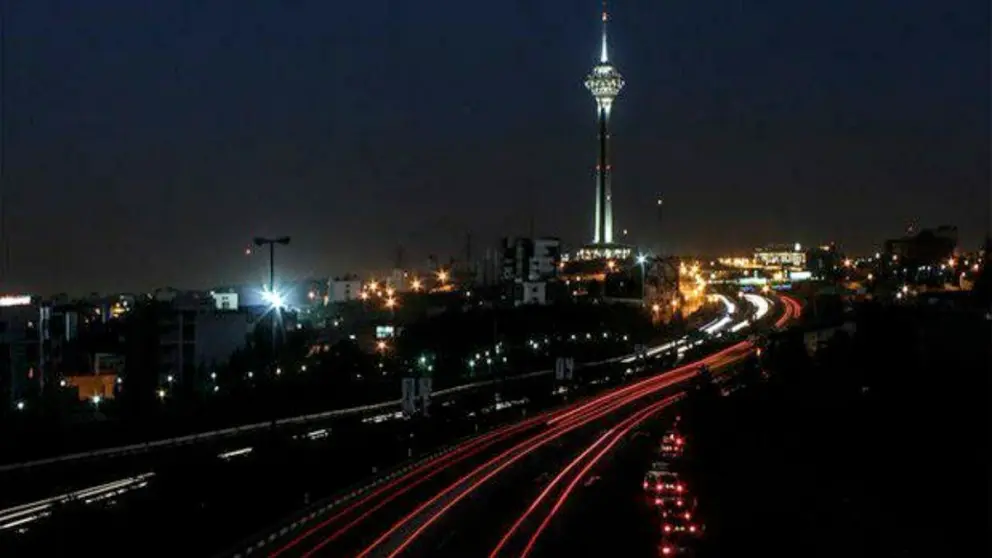
As the energy minister spoke of gas shortages this winter and the need to prepare for a difficult summer,
Masoud Pezeshkian once again described the shortages as reaching the level of a crisis.
Abbas Aliabadi, the energy minister, on Sunday, January 5, at a session of parliament's Energy Commission attended by Speaker Ghalibaf, apologized to the public over the shortages and said that the gas shortfall is a reality that the Oil Ministry cannot resolve within two months.
According to Aliabadi, this past summer saw an electricity shortfall of more than 20,000 megawatts, and this shortfall is projected to reach 25,000 megawatts next year.
He added: "God forbid this happens, because winter cold can be endured by wearing warm clothes, but getting through summer conditions is not that simple."
Masoud Pezeshkian, speaking at an event at the burial site of Ruhollah Khomeini, had said that Iran faces shortages in electricity, water, gas, the environment, and money, and that on some of these shortages the country is "on the edge of a precipice." He said again on Sunday that "the imbalances have reached crisis levels, but with unity we can resolve them."
Iranian citizens endured nationwide blackouts through the summer of 2024 because of the power grid's inability to meet demand for generation and distribution. Now, on the threshold of winter, the Islamic Republic has also proven unable to supply citizens with gas.
Schools, universities, and government offices in many of Iran's provinces have also been closed or placed on reduced schedules several times, citing "falling temperatures" and "energy management."
The daily impact of these closures on Iran's economy amounts to a loss of at least five trillion tomans. Industrial power cuts over the summer also caused substantial losses for industry.
Meanwhile, Samad Hassanzadeh, head of the Chamber of Commerce and Industries, said that power cuts since summer have put the survival of many enterprises at risk.
He added: "Perhaps, instead of the term 'imbalance' in the energy sector, it would be better to speak of a shortage caused by mismanagement in this area."
A range of figures have been cited for the losses caused by electricity outages over the summer.
Among them, Ali Mahmoudian, head of the National Union of Alternative Fuels, had put the damage inflicted on industry from power cuts last year at $11 billion.